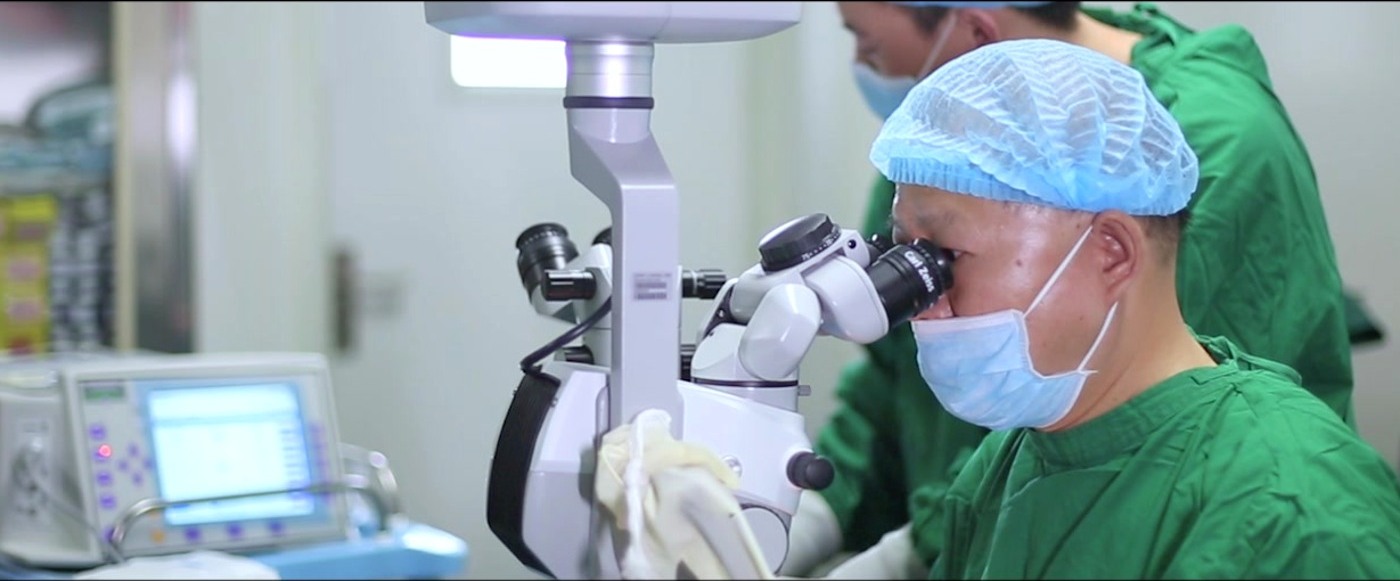
Clinical cooperation can begin with a focused question rather than a large institutional agreement. A hospital may need a specialist discussion, a training programme, a visit or support for a developing department. The useful starting point is the capability the local team wants to strengthen and how that capability will be used in daily care.
Match the format to the objective
Several formats can be combined over time. Begin with a manageable activity whose purpose, participants and expected next step are clear.
Swipe to see all columns.
| Hospital need | Possible first format |
|---|---|
| A focused or complex clinical question | Specialist case discussion, second opinion or MDT meeting |
| Skills for a new or upgraded service | Role-based training and technical mentoring |
| Learning from an established department | Hospital observation or a learning programme in China |
| On-site team development | A prepared expert teaching or technical-support visit |
| Continued institutional development | A phased hospital cooperation programme with review points |
Define a useful cooperation brief
Identify the institution, specialty, current team and service priorities. Explain what the team can already do, what it wants to develop and which equipment is available. State the preferred language, timing and format. The brief helps identify the relevant specialist profile and whether local training, remote exchange or learning in China is the best first step.
Prepare both institutions
Assign a responsible contact on each side and agree who prepares the agenda, participants and material. For a visit, review the host’s rooms, equipment, consumables, interpretation and staffing. Where professional clinical activity is proposed, the institutions must settle the applicable local permissions and hospital approvals before the programme begins.
Keep case information in an agreed channel
The first website enquiry should describe the institutional need without patient identifiers or medical records. If a case review or referral proceeds, the institutions agree consent, confidentiality, document requirements and the method for sharing records. This separates a general cooperation discussion from the later clinical information exchange.
Plan what happens after the first activity
Agree a review meeting and a way to record unresolved questions. Follow-up can include another teaching module, recurring case discussion or a broader department-development plan. Use existing clinical projects to discuss how service preparation, training and continued support connect, while defining the new programme around the local hospital’s actual conditions.
Prepare your first discussion
Tell us your institution, specialty and first cooperation objective. Xentra can help shape a practical route for connecting with relevant resources in China.